 By Siam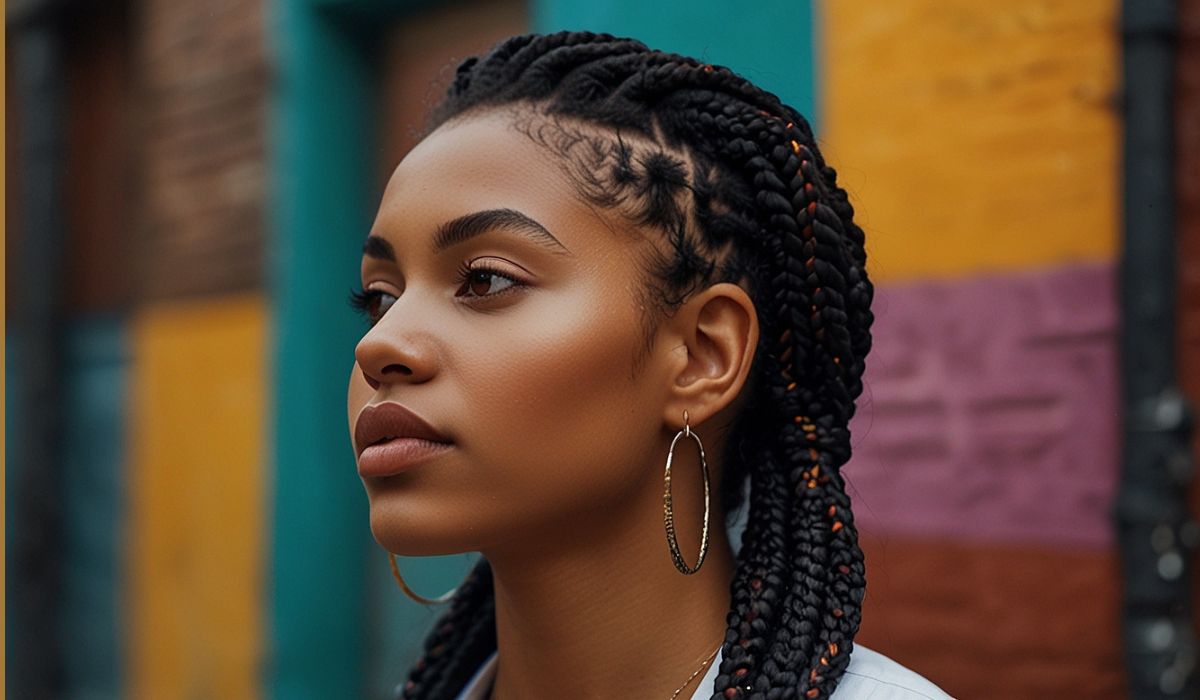
Think of this: you’re strolling through a bustling summer festival. The air is filled with music, laughter, and the incredible sight of diverse, expressive hairstyles. Among them, you keep spotting a particular look—thick, springy, and full of life. It’s a style that seems to dance with every movement. That, without a doubt, is the power of the Cuban twist. More than just a hairstyle, it’s a statement of texture, versatility, and cultural resonance that has stood the test of time. But what exactly goes into creating this iconic look, and why has it remained a go-to for so many?
This comprehensive guide will unravel everything you need to know about the Cuban twist, from its defining characteristics to how you can make it work for you.
What Exactly is a Cuban Twist? Breaking Down the Basics
Let’s get straight to the point. A Cuban twist is a type of protective hairstyle created by twisting two strands of hair—either your natural hair or added braiding hair—around each other to form a single, rope-like plait. Unlike traditional braids that involve three strands, twists offer a distinct, rounded appearance.
What truly sets the Cuban twist apart is its unique texture and volume. They are typically:
- Thicker and Fuller: Compared to other twist styles like Senegalese twists, Cuban twists are known for their chunkier, more substantial look.
- Springy and Textured: The finished twists have a coiled, spring-like quality that gives them incredible bounce and movement.
- Versatile in Length: They can be installed at any length, from a chic bob to waist-grazing statements.
Think of them as the cozy, chunky-knit sweater of the hairstyling world—they’re substantial, warm, and incredibly stylish.
Cuban Twists vs. Other Popular Styles: A Quick Comparison
It’s easy to get styles mixed up, so here’s a simple breakdown:
| Feature | Cuban Twists | Senegalese Twists | Marley Twists |
| Texture | Coarse, springy, defined | Smoother, flatter, more silky | Rough, matte, resembles natural dreadlocks |
| Size | Typically thicker and chunkier | Often thinner and more streamlined | Can vary, but often has a bulkier feel |
| Hair Used | Often Kanekalon braiding hair | Often synthetic hair with a silkier feel | Marley braiding hair (kinky, coarse) |
| Overall Look | Bold, voluminous, and textured | Sleek, elegant, and uniform | Natural, rustic, and free-formed |
Why Choose Cuban Twists? The Unbeatable Benefits
So, why are people so passionate about this style? The reasons are as solid as the twists themselves.
- Superior Protective Qualities: This is the number one benefit. By twisting your natural hair away, you seal in moisture and shield it from daily manipulation, heat styling, and environmental damage. It’s like putting your hair in a fortress, allowing it to grow and regain strength without interference.
- Low-Maintenance Lifestyle: Imagine waking up with your hair already done. With Cuban twists, that’s your reality for weeks. They significantly cut down your morning routine, requiring minimal daily styling.
- A Canvas for Creativity: Don’t let the “low-maintenance” tag fool you—this style is incredibly versatile. You can wear them down, in a high ponytail, a sleek bun, or even a stylish half-up, half-down look. The possibilities are nearly endless.
- Durability That Lasts: With proper care, a set of Cuban twists can last anywhere from 4 to 8 weeks. This makes them a fantastic investment of both time and money.
The Installation Process: What to Expect at the Salon
Walking into a salon for a new style can be daunting if you don’t know what to expect. Here’s a step-by-step breakdown of the typical installation process:
- Consultation & Prep: Your stylist will discuss the desired size, length, and overall look. They will then thoroughly wash and condition your hair to create a clean, healthy base.
- The Parting Process: Using a tail comb, the stylist will section your hair into neat, usually square-shaped, parts. The size of these parts determines the thickness of your final twists.
- The Magic Happens: The Twisting: This is the core of the process. The stylist will take a section of your natural hair, add a piece of braiding hair, and begin twisting the two strands around each other from the root down to the tip. The technique ensures the braiding hair is securely locked in.
- Sealing the Ends: To prevent unraveling, the ends of the twists are typically sealed with hot water (using a dipping method) or a small tool, creating a clean, finished tip.
- The Final Touch: Styling: Once all twists are installed, the stylist may trim any stray hairs and style the hair as requested—perhaps into a ponytail or simply leaving it down for a stunning, full-bodied effect.
The entire process can take anywhere from 3 to 6 hours, depending on the thickness and length you choose, so bring some podcasts or a good book!
Caring for Your Crown: A Simple Maintenance Guide
To get the most out of your style and protect your natural hair underneath, a consistent care routine is non-negotiable.
- Moisture is Key: Your scalp and hair still need hydration. Use a lightweight leave-in conditioner spray or a mix of water and a few drops of essential oil every few days. Avoid heavy, greasy products that can cause buildup.
- Cleanse Gently: Yes, you can and should wash your twists! Every two weeks, dilute a sulfate-free shampoo with water and gently massage your scalp. Focus on the roots and rinse thoroughly. Follow with a diluted conditioner, avoiding the roots to prevent slippage.
- Nighttime Protection: Always protect your style while you sleep. A satin or silk bonnet or pillowcase is essential. It reduces friction, prevents frizz, and helps maintain the style’s integrity.
- Dry Thoroughly: After washing, ensure your twists dry completely. You can sit under a hooded dryer or let them air dry naturally. Trapped moisture can lead to mildew and an unpleasant smell.
- Listen to Your Scalp: If your scalp feels itchy or irritated, a light application of tea tree oil diluted with a carrier oil can provide relief.
Styling Your Cuban Twists: From Chic to Casual
One of the greatest joys of this hairstyle is its versatility. Here are some ideas to inspire your next look:
- The High Ponytail: A classic that never fails. It’s sleek, powerful, and keeps the hair off your face.
- A Sleek High Bun: Perfect for a formal event or a hot day. It’s elegant and effortlessly chic.
- Half-Up, Half-Down: Get the best of both worlds. This style shows off the length and volume while adding a touch of playful sophistication.
- Side-Swept Glory: Part your twists deeply to one side for a dramatic, glamorous effect.
- Accessorize!: Don’t be afraid to add bling. Threading beads onto the ends or adding decorative cuffs can instantly personalize your look.
Knowing When to Let Go: Safe Removal
All good things must come to an end. It’s crucial to remove your twists after 6-8 weeks to prevent matting, tangling, and breakage of your natural hair. The safest method is to carefully snip the sealed end of each twist and then slowly unravel it. Using a silicone-based detangling spray can help ease the process. If you encounter resistance, be patient—rushing can lead to unnecessary hair loss.
Key Takeaways and Your Next Steps
The Cuban twist is more than a fleeting trend; it’s a durable, stylish, and practical protective hairstyle that celebrates texture and volume. It offers a welcome break for your natural hair while allowing you to express your personal style with unparalleled versatility.
Your key takeaways are:
- It’s a thick, springy, two-strand twist that makes a bold statement.
- It’s a champion of protective styling, promoting hair health and growth.
- With proper installation and maintenance, it’s a long-lasting, low-maintenance style.
- Its styling potential is limited only by your imagination.
So, what will you try first? Will you go for a bold, waist-length statement or a chic, shoulder-grazing bob? Whichever you choose, you’re embracing a style rich with character and style.
FAQs
1. What type of hair is best for Cuban twists?
Kanekalon braiding hair is the most popular and traditional choice as it mimics the coarse, springy texture perfectly. However, you can also use Toyokalon or Marley hair for a slightly different finish.
2. Can I install Cuban twists on short hair?
Absolutely! The braiding hair is added to your natural hair, so as long as your hair has enough length to grip (usually an inch or more), a skilled stylist can install them.
3. Are Cuban twists heavy?
They can be, especially if you opt for very long, thick twists. If you have a sensitive scalp or are prone to tension headaches, discuss starting with a medium length and thickness with your stylist.
4. How much do Cuban twists typically cost?
The price varies widely based on your location, the salon’s expertise, and the length and thickness of the style. You can expect to pay anywhere from $150 to $400+.
5. Will Cuban twists damage my hair?
When installed correctly by a professional, maintained properly, and removed safely at the right time, Cuban twists should not damage your hair. In fact, they are designed to protect it. Damage usually occurs from excessive tension during installation or leaving them in for too long.
6. Can I color my Cuban twists?
Yes! Synthetic braiding hair can be colored, but it requires special synthetic hair dye (regular hair dye will not work). It’s best to have this done by a professional to achieve an even result and avoid damaging the hair fibers.
7. How do I deal with an itchy scalp with twists?
An itchy scalp is common, especially as natural oils and product build up. A weekly diluted shampoo wash is crucial. You can also use a light spray of a mix of water, aloe vera juice, and a few drops of peppermint or tea tree oil to soothe the itch.